Why I Start Every Project with Visual Exploration
This blog explores the importance of visual exploration in my design process and how starting loose, rather than structured, leads to unexpected creative breakthroughs. It highlights why experimenting early on helps set a strong foundation for everything that follows. Instead of locking in ideas prematurely, I treat the early stage of a project like a visual playground, where imagination is free to collide with intuition.
Author
READ
Category
Before diving into wireframes or layouts, I often start with free exploration, sketching shapes, building colour palettes, testing type combinations, and playing with moodboards. This isn't just an aesthetic warm-up; it helps define tone, emotion, and creative energy. It allows ideas to emerge naturally, instead of being forced to fit a grid too soon. I've found that these spontaneous ideas often become central themes later in the project, even if they start as quick throwaway concepts.
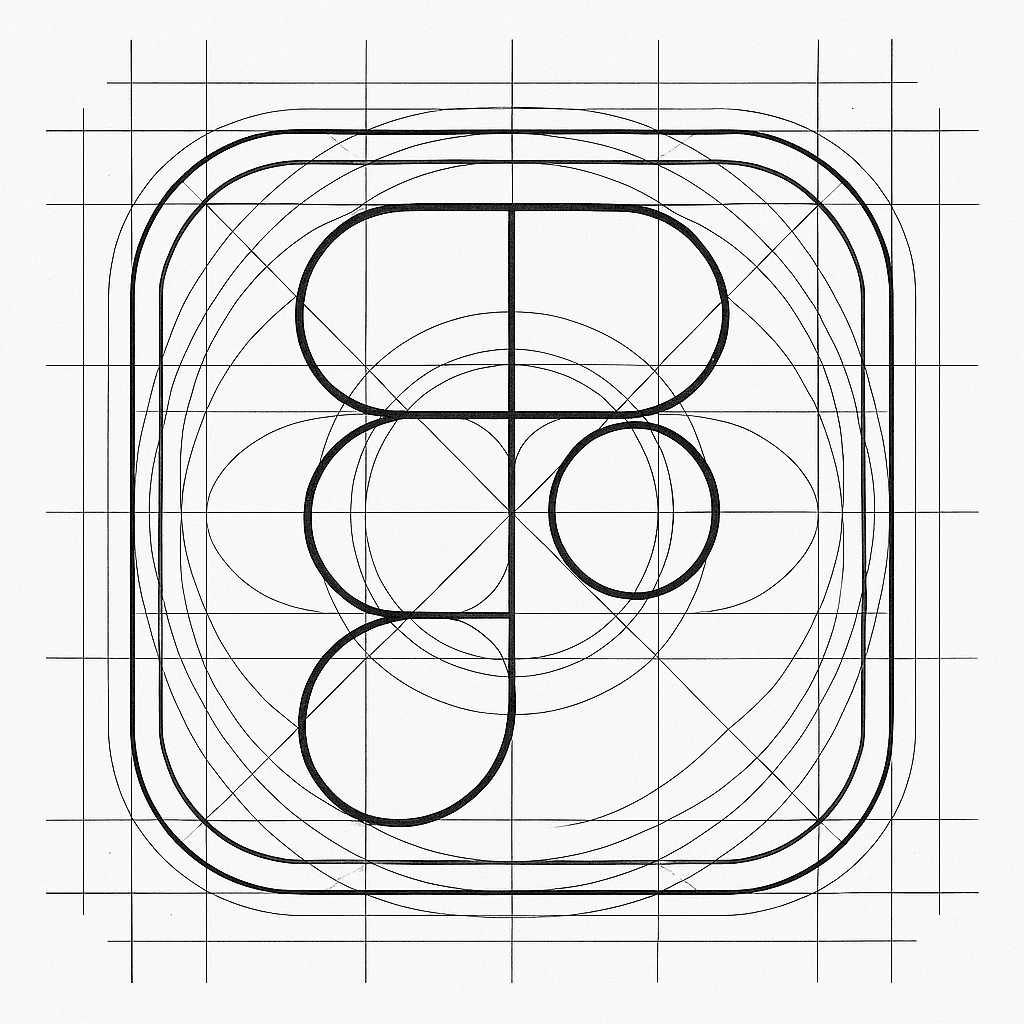
Visual exploration helps me establish a creative baseline that guides the project forward. By letting the visual language take shape first, I find clarity in direction and a sharper design intuition. This baseline then informs layout, structure, and interactions, giving the work both logic and character. It becomes easier to define the brand personality, visual hierarchy, and even copy tone once the visuals lead the way. Sometimes, a single colour or mood image ends up anchoring the entire system.
There’s value in disorder at the start. It’s like priming the mind for flow. I’ve found that some of my best UI or branding ideas came from quick colour mockups or random typographic play. Instead of killing creativity with structure early, I build toward structure after I’ve explored what’s possible. Designers are often pressured to show polished outputs from the beginning—but the magic often lies in what happens before the polish.